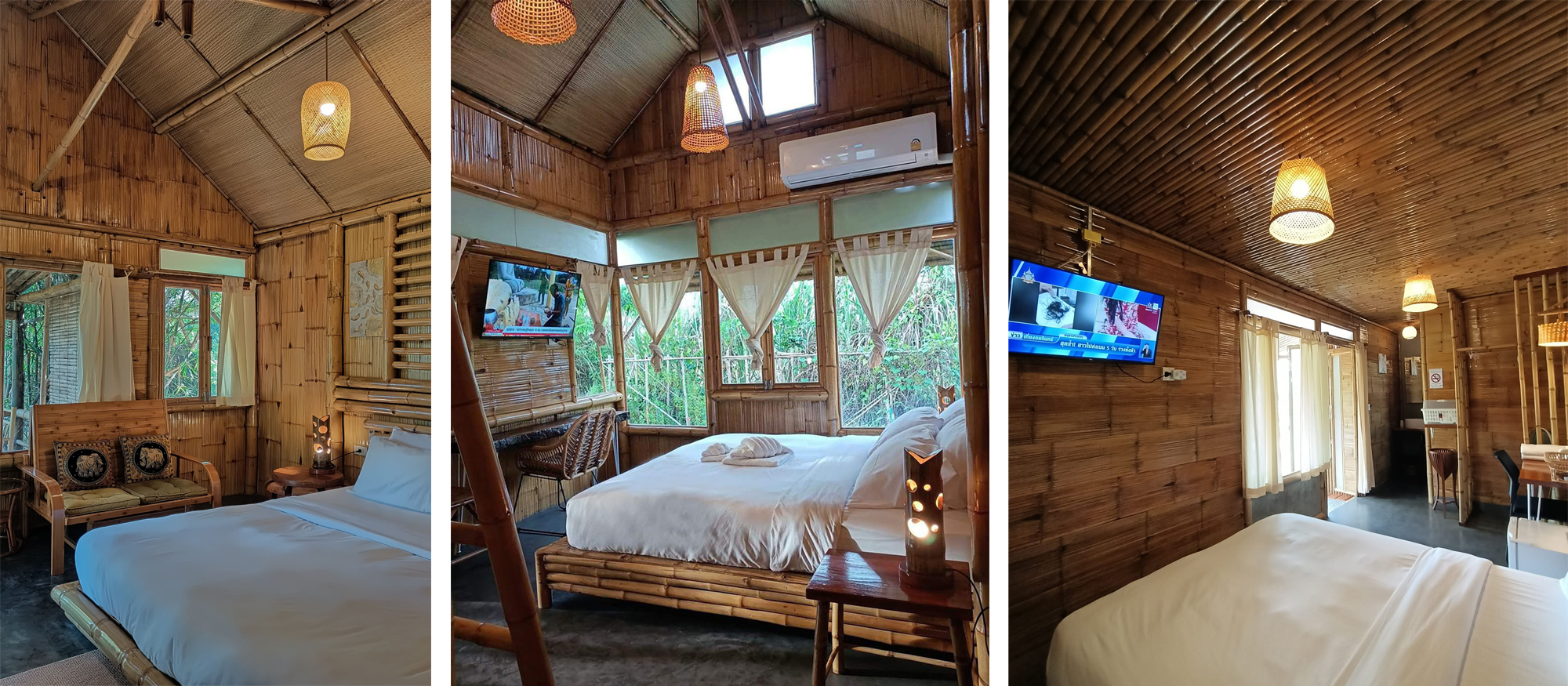
Tourist Nearby
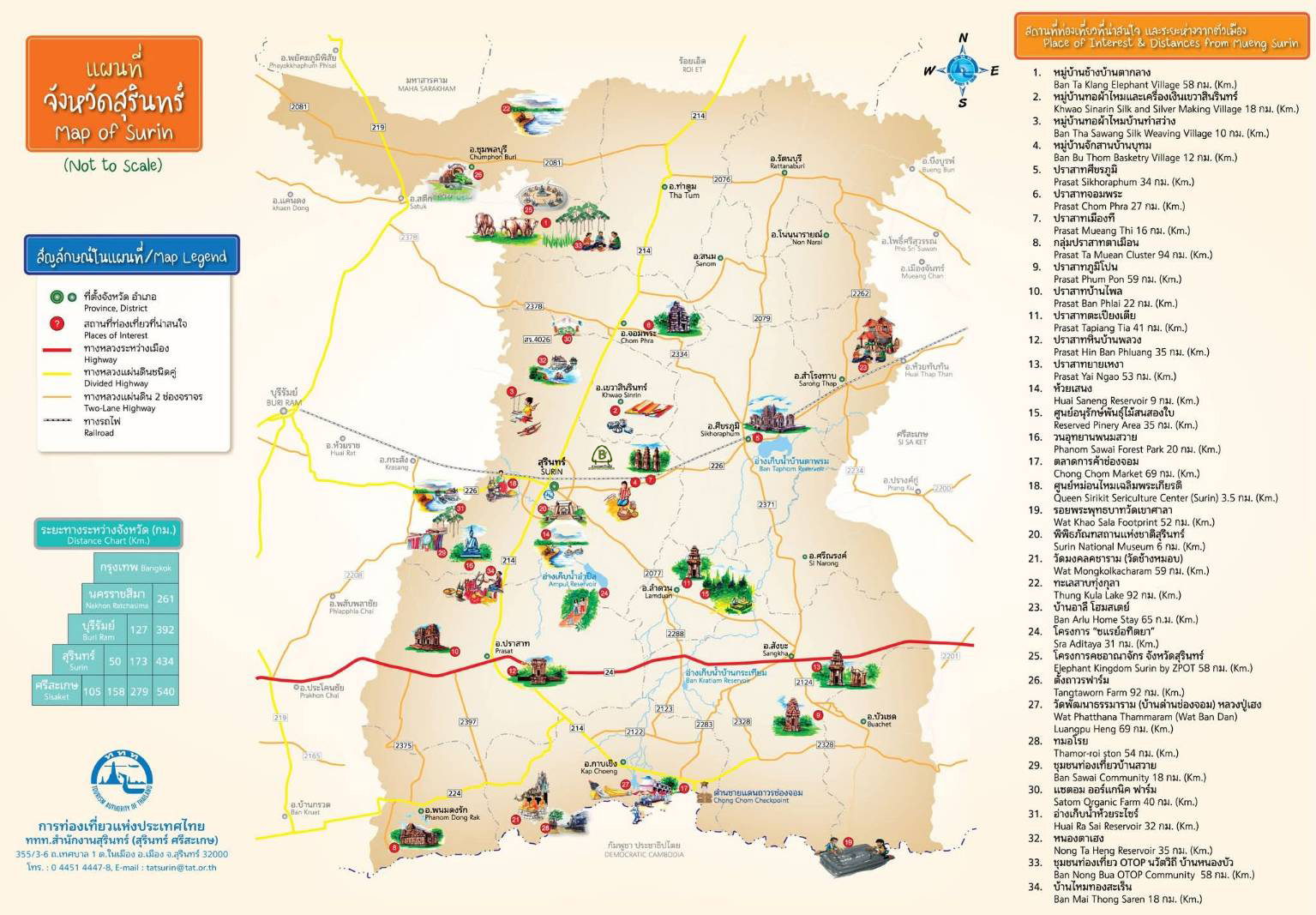
Discover More with Us
We are continuously expanding our local guides to help you explore the best of Surin. If you need any assistance with travel routes, local transportation, or recommendations during your stay, please feel free to reach out to our front desk.
Tourist Information & Nearby
Attractions
Explore Surin province, our local OTOP communities, and nearby attractions from our resort. Please note that detailed guides, descriptions, and English translations are currently under construction and will be updated progressively.
1. Ban Ta Klang Elephant Village
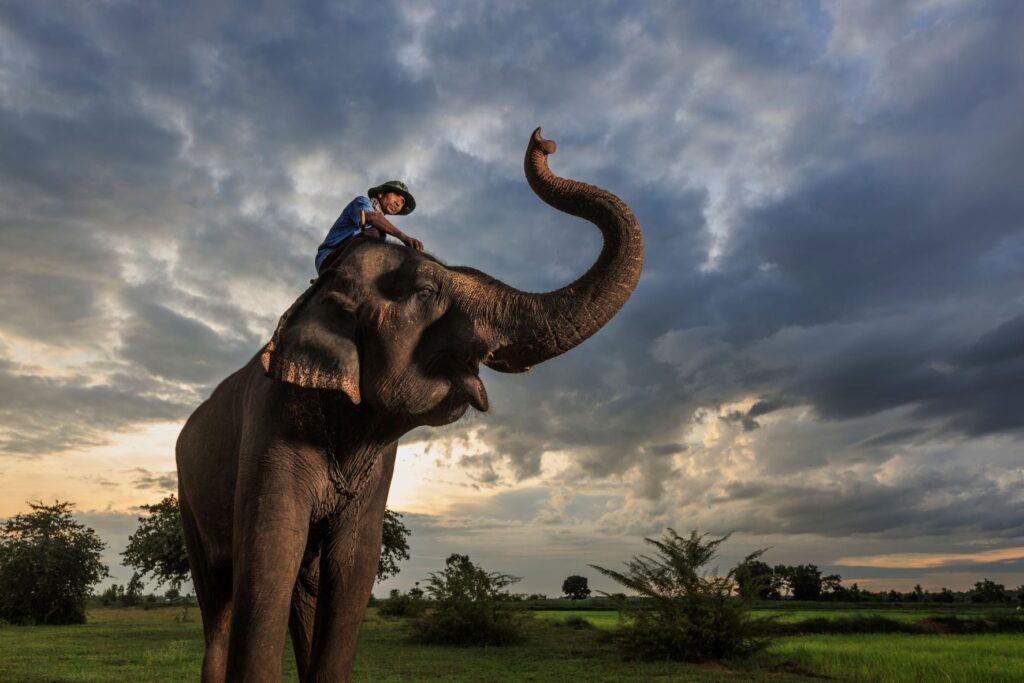
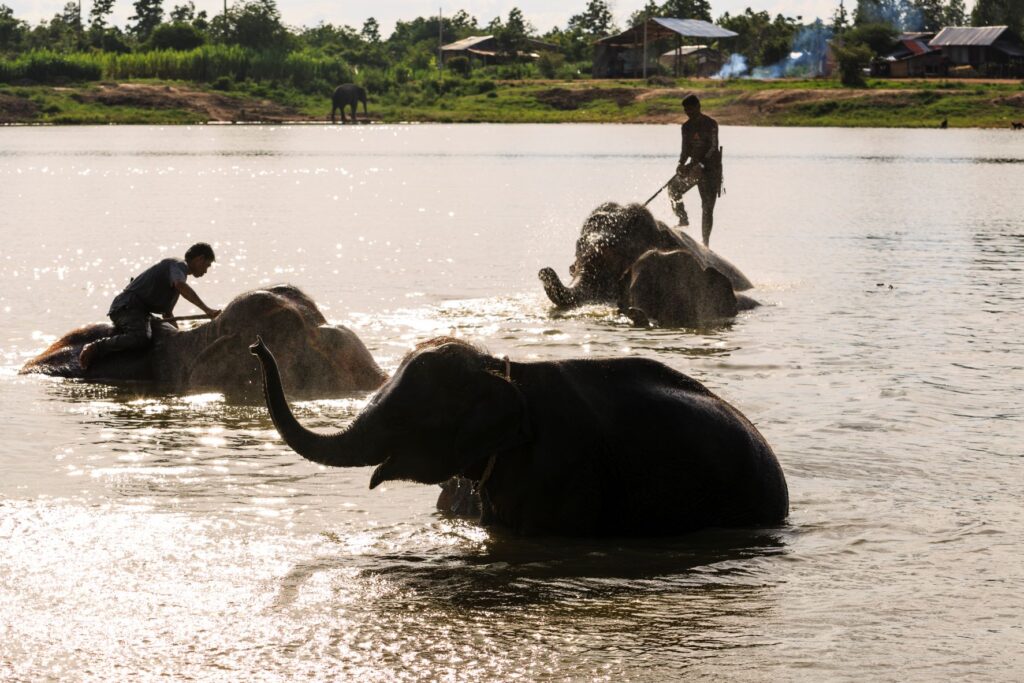
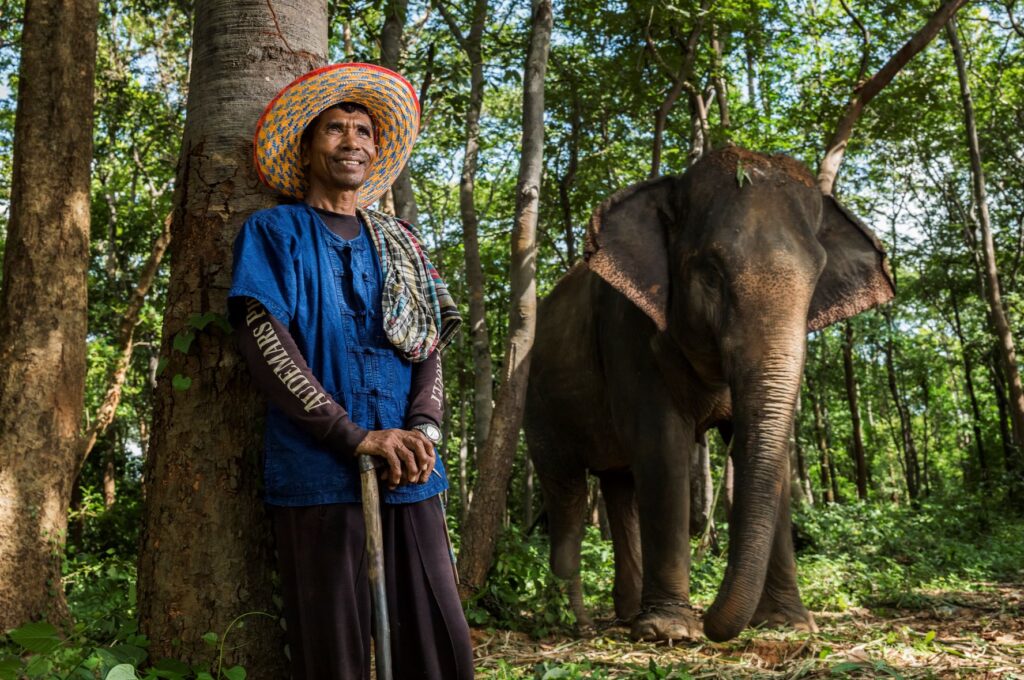
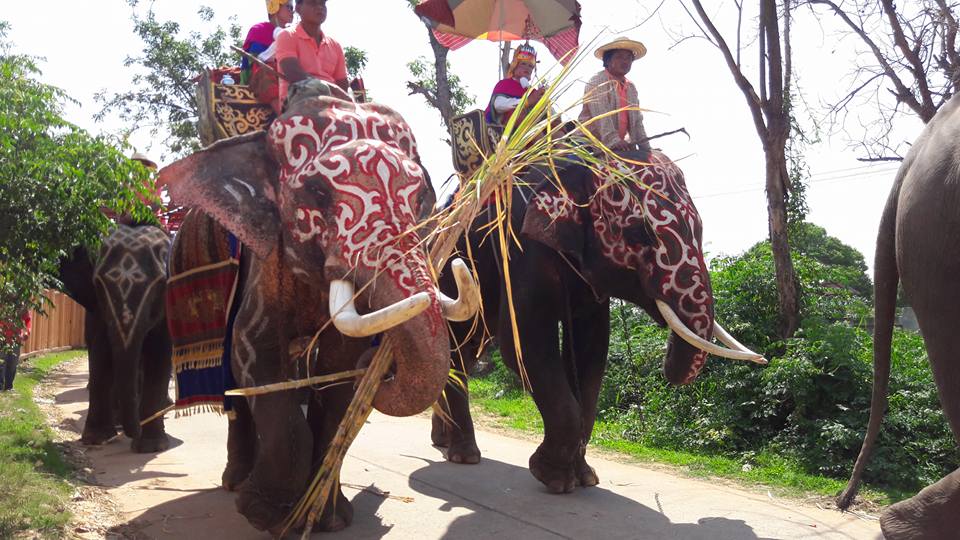
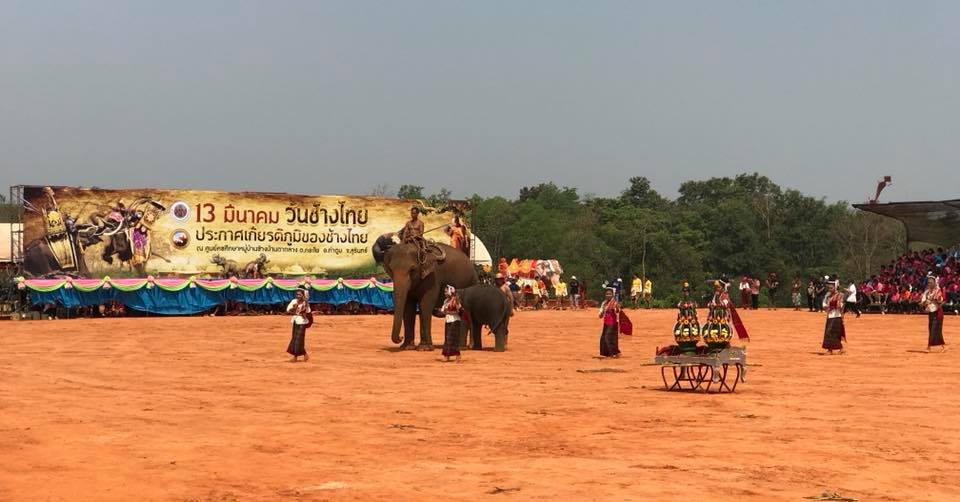
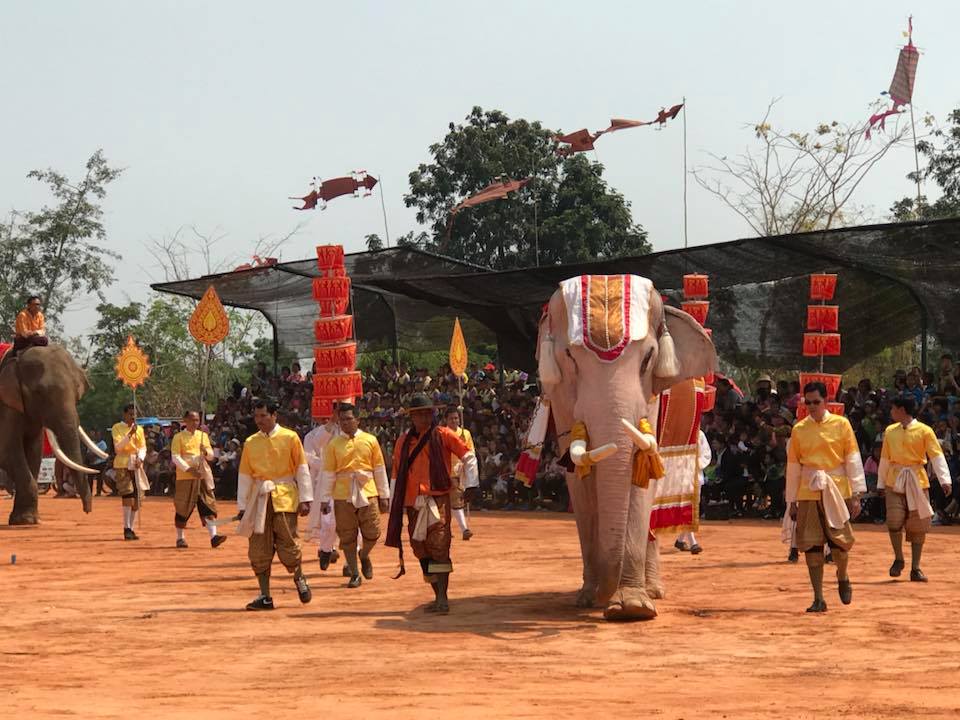
Ban Ta Klang Elephant Village and Surin Elephant World
Overview and Cultural Heritage
- At Ban Ta Klang, elephants are raised as beloved family members rather than mere working animals, with villagers and elephants sharing the same roof.
- Located in Tambon Krapho, Tha Tum District, the village is surrounded by picturesque rice fields and sparse woodlands.
- The residents are predominantly of Kuy (or Suai) ethnicity, historically renowned for tracking, training, and caring for wild elephants.
- Although modern international border policies have changed traditional tracking practices near the Cambodian border, villagers proudly continue to raise and train elephants, participating annually in Surin’s world-famous Elephant Round-up.
Surin Elephant World and Local Attractions
- The village houses Surin Elephant World, an expansive conservation center spanning over 500 rai as one of the world’s largest.
- It serves as an educational hub featuring 8 diverse zones, including an elephant performance stadium, bathing pools, an observation tower, a theater, a museum, and jungle trekking options ranging from standard walks to adventurous trails.
- Visitors can immerse themselves in the rich culture of the Kuy people, witness traditional elephant shelters firsthand, and chat with experienced mahouts.
Visitor Information & Inquiries
- Opening Hours: Surin Elephant World is open daily from 08:30 AM to 04:30 PM.
- Inquiries & Show Bookings
- Ban Ta Klang Elephant Study Center: Tel. 0 4451 1975, 044-517461, or 044-145050
- TAT Surin Office: Tel. 044-514447-8 or 044-518529
Distance from our accommodation: approximately 63 km (about a 1-hour and 5-minute drive)
Google map
2. Surin Local Silk: A Living Heritage of Craftsmanship
Overview and Unique Characteristics
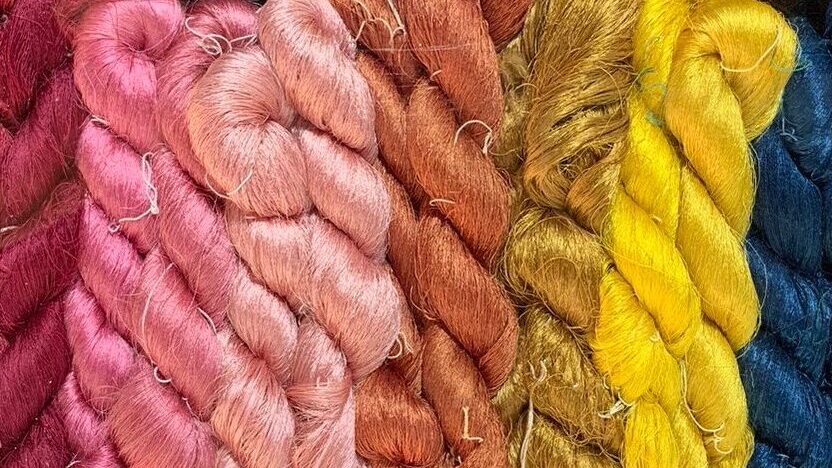
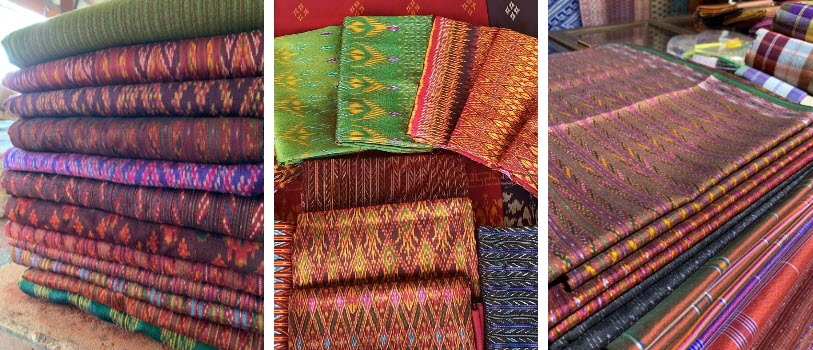
Surin’s weaving tradition—widely known as Surin Silk—is deeply rooted in history, featuring fine silk threads (Mai Noi) that produce a fluid, lightweight, and cool-to-wear fabric. Local artisans preserve ancestral techniques, including sericulture with unique yellow silkworm breeds, mudmee tie-dyeing, natural dyeing, and meticulous weaving. Blending ancient motifs with modern innovations, Surin’s diverse ethnic communities showcase complex designs, such as combining mudmee tie-dyeing with supplementary warp or pattern-lifting (Yok Dok) in a single advanced process.
Historical Khmer Roots
The art of Surin silk shares a contemporary historical link with ancient Khmer heritage, tracing back to historical silk route connections between Surin and Cambodia. Traditional motifs like the “Phra Tabong” pattern, originating from Khmer roots, are still actively produced today, cementing Surin’s status as one of Thailand’s premier silk-producing regions.
The 7 Official Provincial Silk Patterns
Honoring the royal aspirations of Her Majesty Queen Sirikit The Queen Mother, the Province of Surin officially declared 7 signature provincial silk patterns on January 26, 2022:
- Hol Cloth (Pha Hol)
- Amporam Cloth (Pha Amporam)
- Samor Cloth (Pha Samor)
- Anluysuim Cloth (Pha Anluysuim)
- Labeuk Cloth (Pha Labeuk)
- Sakoo Cloth (Pha Sakoo)
- Hang Krarok / Kaneo Cloth (Pha Hang Krarok)
Evolution into a Sustainable Economy
- Traditional Commerce: Originally, villagers bartered or sold surplus textiles to local merchants who transported them by oxcart. By 1975, external buyers began visiting to purchase silk for resale, introducing Khwao Sinarin’s distinct patterns and color tones to neighboring areas.
- The Royal Turning Point: In 1987, Her Royal Highness Princess Maha Chakri Sirindhorn visited the Khwao Sinarin community, bringing widespread national and international recognition.
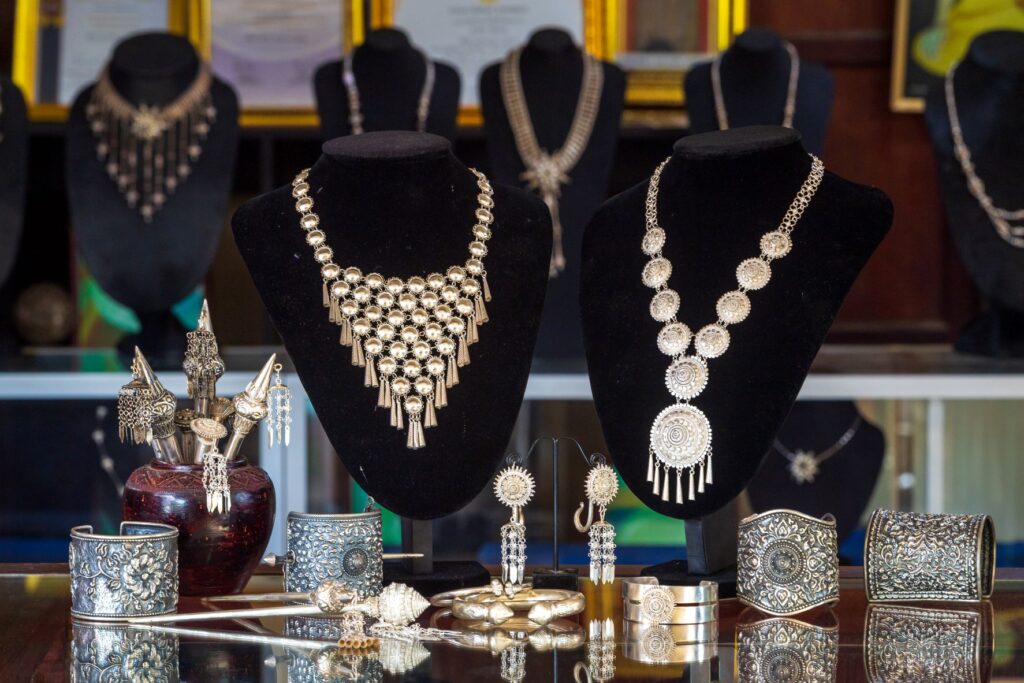
- Modern Expansion: The arrival of the railway and government-backed OTOP projects ushered in a golden age for the local economy, allowing villagers to turn spare time between farming into steady income through silk and silvercraft sales. Today, the district celebrates this legacy through the annual festival, “Nung Pha Mai Sai Prakeum Ruam Kantrum” (Wearing Silk, Wearing Silver Beads, and Dancing Kantrum).
Soure of information
https://www.eportfolio.in.th/surinsilk/
Distance from our accommodation: approximately 15 km (about 24-minute drive)
Google map
3. Ban Tha Sawang Silk Weaving Village
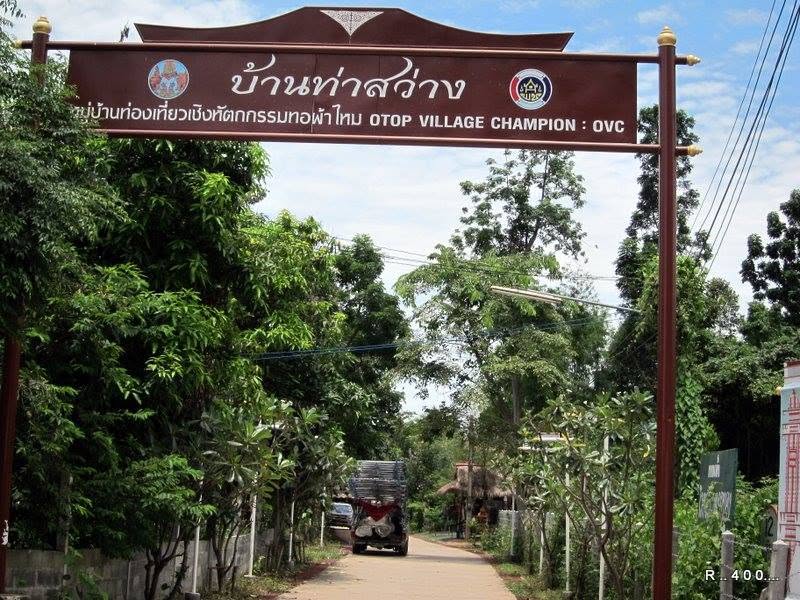
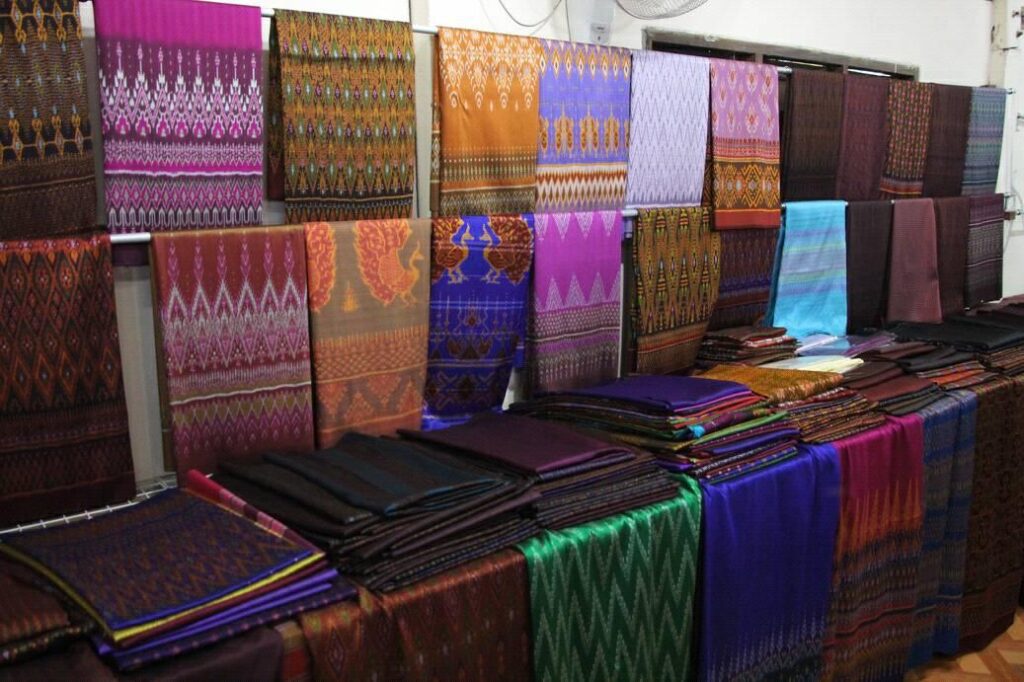
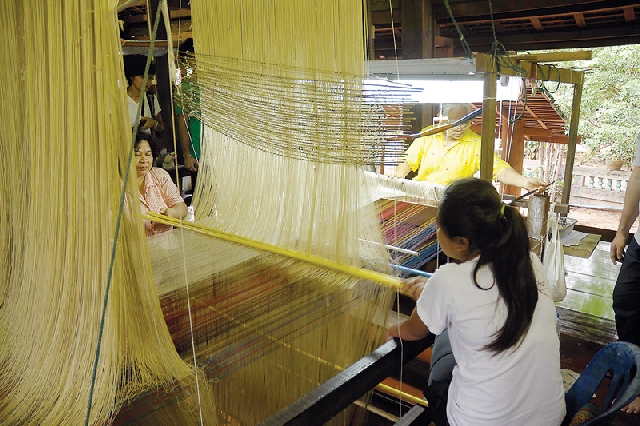
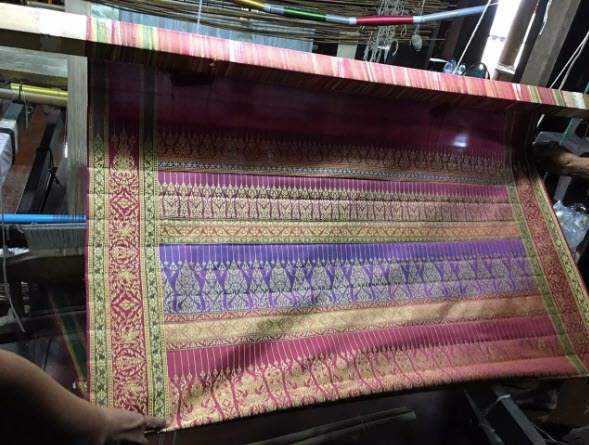
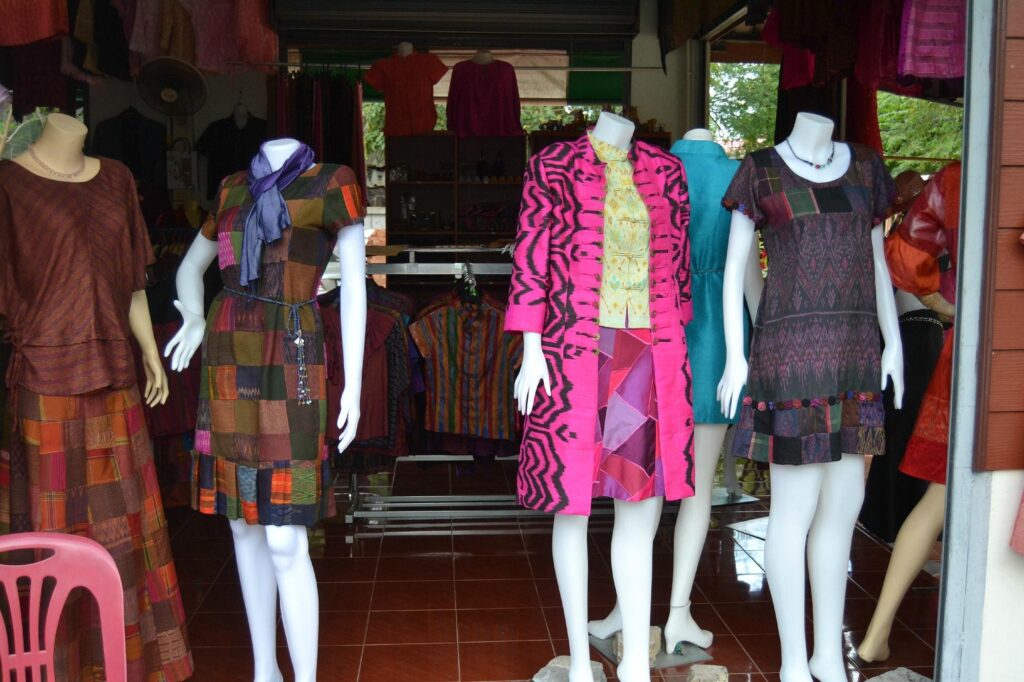
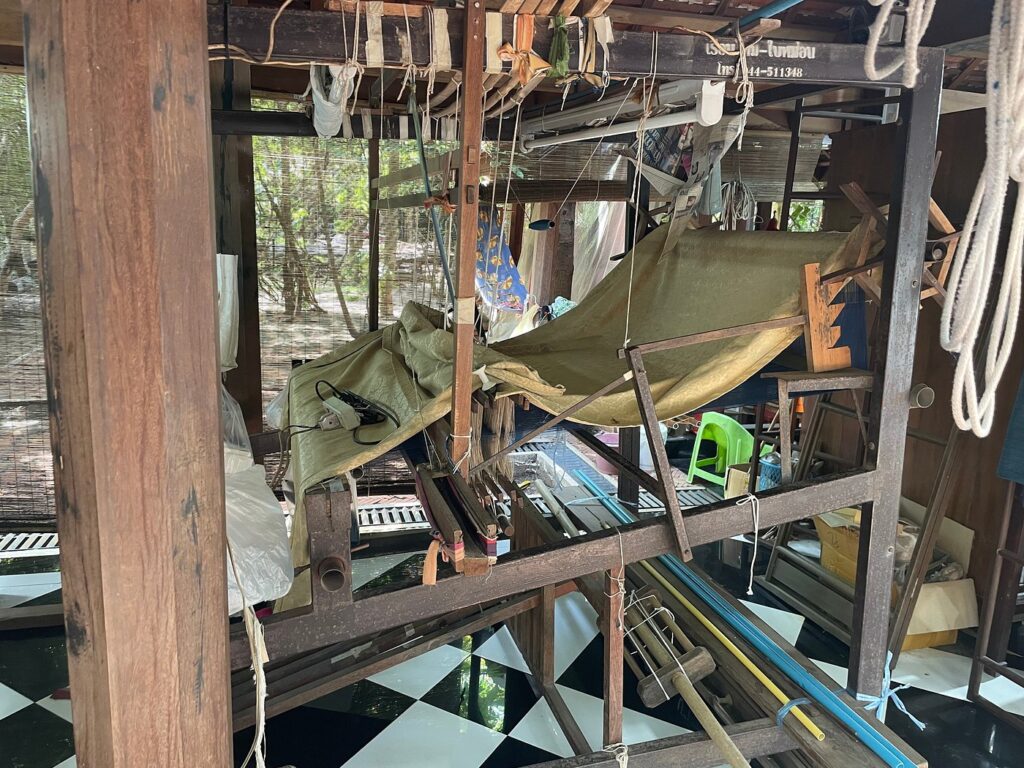
Ban Tha Sawang Silk Weaving Village:
The Masterpiece of Thai SilkBan Tha Sawang Silk Weaving Village in Mueang District, Surin Province, is internationally renowned for its breathtaking royal-court-inspired textiles and intricate traditional craftsmanship. Located just 24 kilometers away from our accommodation (a comfortable 26-minute drive), it stands as one of the most culturally significant craft destinations in Thailand.
Heritage and Royal Legacy
Originally a traditional agricultural community where villagers wove silk for personal use, the village gained global prominence through the revival of “Mai Noi” (fine silk)—an exceptionally soft, delicate, and tightly woven silk thread that had nearly vanished over time.Her Majesty Queen Sirikit, the Queen Mother, expressed a desire to recover this lost textile art. Royal attendants discovered skilled weavers practicing this craft in Tha Sawang, prompting royal support and the establishment of a traditional weaving center under royal patronage.
The World-Famous APEC Silk Connection
The village’s international acclaim skyrocketed in 2003 (BE 2546) when its master artisans were chosen by the Thai government to weave ancient gold-brocade silk for shirts and stoles presented to the leaders and spouses of the 21 APEC economies during the APEC Economic Leaders’ Meeting. This prestigious honor earned the destination its famous moniker, “The APEC Silk Village,” alongside achieving 5-star OTOP status.
Inside the Chanromas Silk Weaving Group
At the heart of the village is the famed Chanromas Silk Weaving Group, led by Ajarn Weeratham Trongjanghai, a master artisan dedicated to preserving and reconstructing high-class royal Thai court textiles.
Masterful Techniques: The artisans combine fine Mai Noi silk dyed with natural colors, incorporating gold-plated threads twisted with silk.
Intricate Patterns: Designs blend majestic royal motifs—such as the Thep Phanom (angelic blessing), Hing Hoi Chom Suan, and Khrut Yut Nak (Garuda subduing naga)—with traditional local Surin patterns like Amporam, Sakho, and Luk Kaeo.
Breathtaking Craftsmanship: The most complex pieces require an astonishing 1,416 heddles (tako), demand 4 weavers working simultaneously on a single loom, and progress at a rate of just 4–5 centimeters per day.
Exploring the Village Today
The Traditional Compound: Visitors can wander through a serene village featuring traditional Thai raised-parian houses, exhibition spaces, and the museum of Ajarn Weeratham’s collected textiles.
Live Demonstrations: Watch master weavers operate massive traditional looms using age-old techniques and observe natural dye extractions.
Shopping: Browse a wide array of shops lining the village streets offering high-quality silk products—from skirts, shirts, and garments to bags and accessories—priced from thousands to tens of thousands of baht, as well as the community market for OTOP items.
Traditional Silk Varieties to Know
Hol Silk: A traditional tie-dye mudmee silk created by the Khmer ethnic group in Surin. The word “Hol” refers to the intricate pre-dying process of weft threads. Historical variants include Hol Proah (men’s striped lower garments, now exceedingly rare) and Hol Srei (women’s striped lower garments, which defines modern usage).
Distance from our accommodation: approximately 24 km (about 26-minute drive)
Google map
https://maps.app.goo.gl/93DBiRR3hfKVTw6Y9